Latest blogs
-
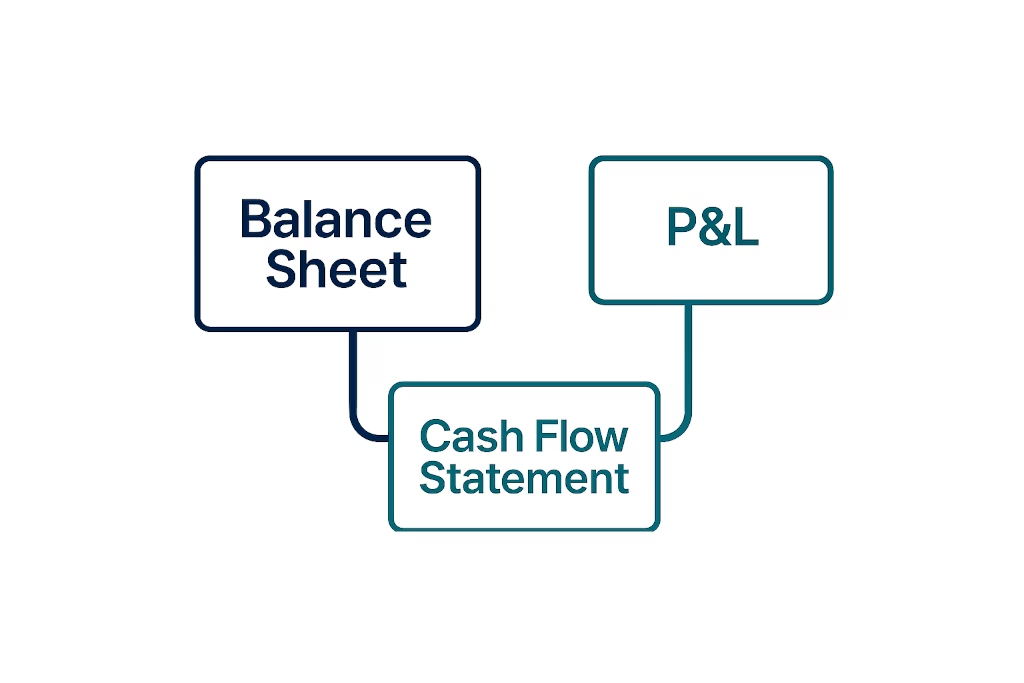
A Step-by-Step Guide to Building a Consolidated Cash Flow Statement
For groups with multiple subsidiaries, a consolidated cash flow statement (CFS) is one of the most complex documents in the reporting pack — and one of the most consequential. Get it wrong and liquidity looks better than it is, audit queries multiply, and management decisions get made on flawed data. The most common mistake is…
-

Intercompany Transactions Elimination: Step-by-Step Accounting Process
When a group entity sells goods to another entity within the same group, records a management fee, or lends money to a subsidiary, both sides of that transaction appear in the individual entity accounts. Left unadjusted at consolidation, these internal flows are counted twice — once in the entity generating the income, once in the…
-

Introducing Pulse: Your SME’s Real-Time Business Vital Signs
Pulse is BrizoConsol’s newest sidebar feature, designed specifically for small and medium enterprises. Rather than juggling multiple reports, Pulse delivers four core indicators—Key Metrics, Cashflow, Receivables, and Payables—in one dynamic view. It’s your business at a glance, empowering you to spot trends, mitigate risks, and drive growth without digging through spreadsheets. What Is Pulse? Pulse…
-

The Complete Guide to Intercompany Eliminations in Consolidation
When companies grow into multiple entities, transactions between those entities become inevitable. But when it comes time to prepare consolidated financial statements, these intercompany balances can distort the true financial picture. That’s where intercompany eliminations come in. In this guide, we’ll walk through what intercompany eliminations are, the challenges finance teams face, the six most…
-
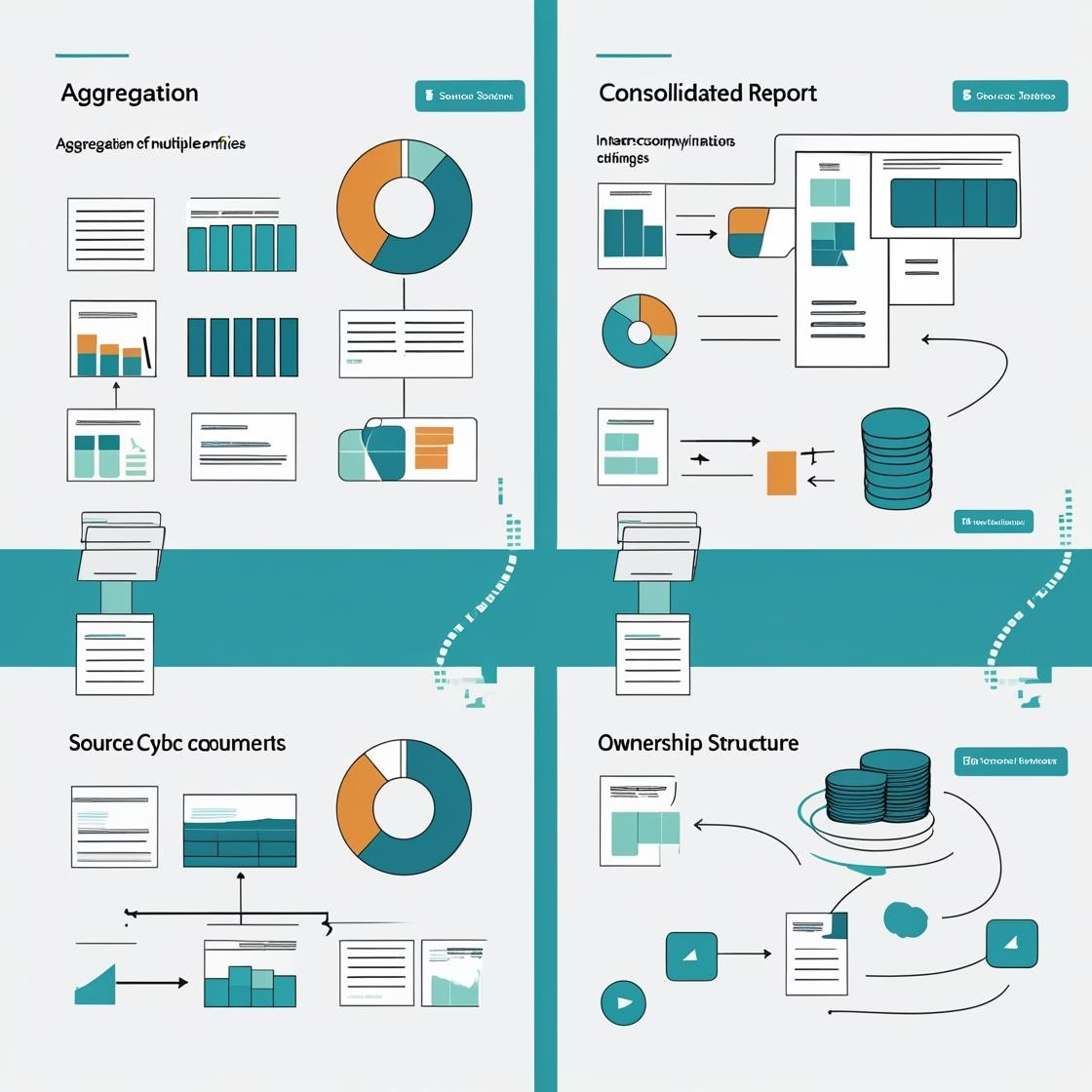
Consolidation vs Aggregation – What’s the Difference (and Why It Matters)
Consolidation and aggregation are not the same thing — and treating them as equivalent is one of the most consequential errors a multi-entity business can make in its financial reporting. Both produce a combined view of multiple entities. Only one of them reflects the group’s actual economic reality. The difference matters because the numbers that…