Latest blogs
-
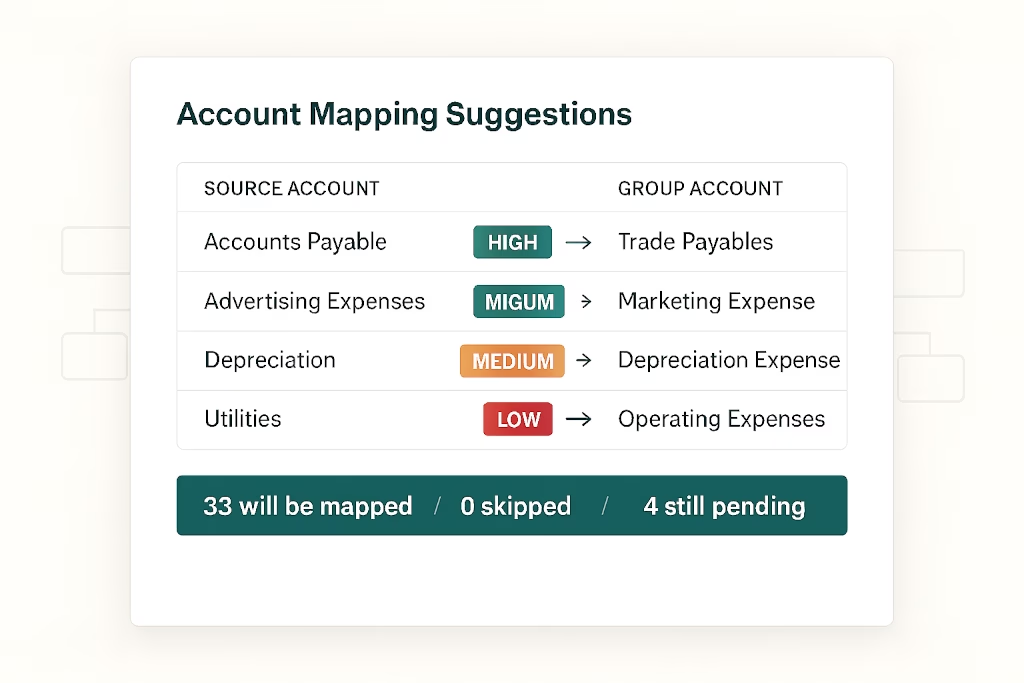
Your Chart of Accounts, Mapped in Minutes — BrizoConsol’s AI Auto-Map
Account mapping is one of the most tedious onboarding tasks in any consolidation setup. Every new entity arrives with its own chart of accounts — different codes, different naming conventions, different structures — and someone has to manually link each account to the group’s common COA before consolidated reporting can begin. For a group with…
-

Effective Intercompany Eliminations Strategies for Modern Finance Teams
Intercompany eliminations are technically straightforward — every debit and credit between group entities is reversed so that the consolidated statements reflect only external activity. The accounting rules are clear. What makes eliminations genuinely difficult in practice is not the accounting but the operating model: coordinating data from multiple teams, in multiple time zones, on different…
-
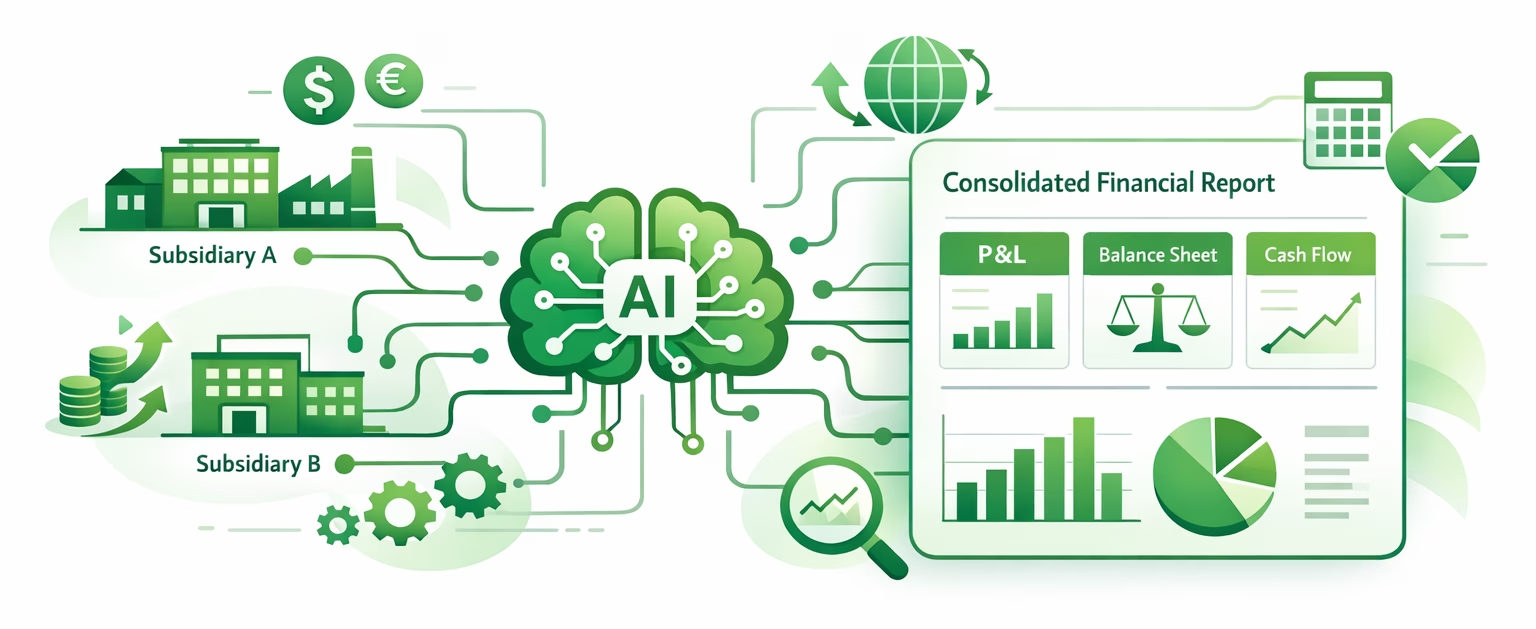
How AI Is Transforming Financial Consolidation and Reporting
Artificial intelligence is rapidly reshaping many areas of finance, from fraud detection to forecasting. One area where its impact is becoming increasingly visible is financial consolidation and group reporting. As organisations grow and operate across multiple entities, currencies, and jurisdictions, the complexity of consolidation increases dramatically. Traditional processes — often built on spreadsheets and manual…
-
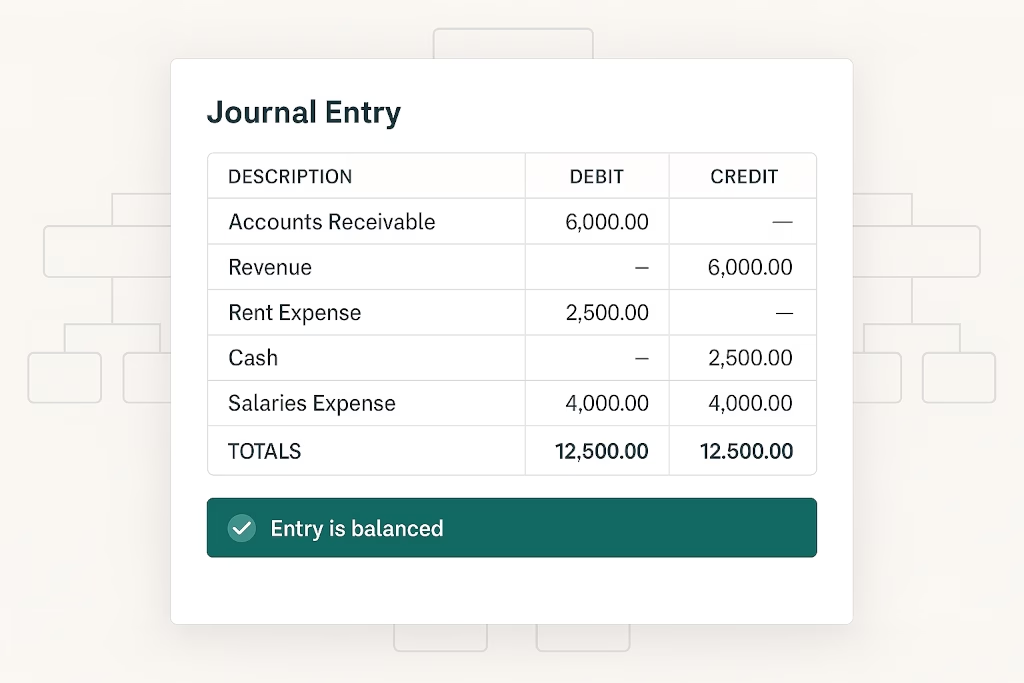
One Dialog. Multiple Lines. Zero Imbalance. — BrizoConsol’s Enhanced Journal & Elimination Entries
Consolidation adjustments have always been the messiest part of period-end close. You’ve got intercompany balances to eliminate, accruals to post, shared service charges to allocate — and every single entry needs to balance before it touches the consolidated financials. Until now, that meant multiple separate entries, manual cross-checks, and a high chance of a last-minute…
-
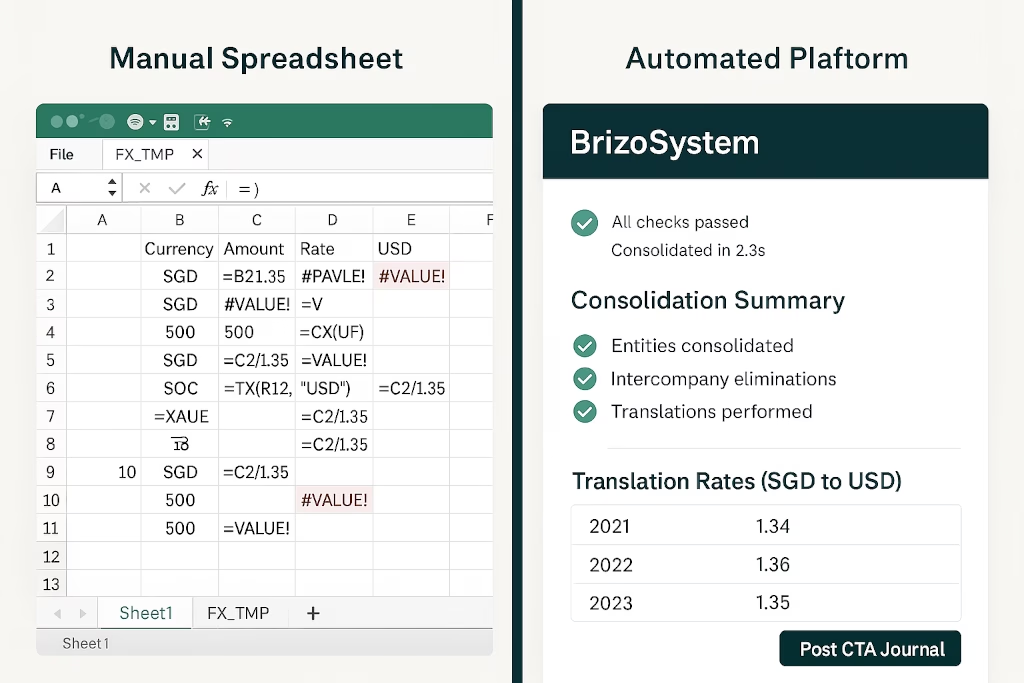
Stop Losing Hours to Currency Translation Adjustments — BrizoConsol Does It For You
If your group has subsidiaries operating in foreign currencies, you already know the pain. Three different exchange rates. Multiple equity accounts. Retained earnings accumulated over years at different rates. And a CTA balance in OCI that has to be mathematically perfect before you can close the consolidation. Most firms still do this in Excel. BrizoConsol…