Latest blogs
-
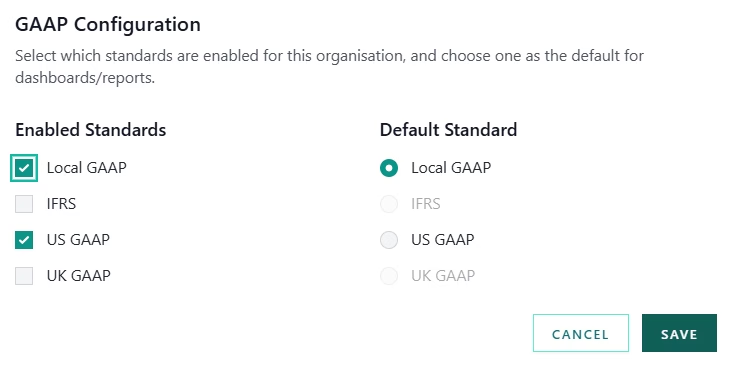
Managing Multiple Accounting Standards in Group Reporting: A Smarter, More Flexible Approach
As companies expand across borders, financial reporting complexity increases rapidly. One of the most common challenges faced by finance teams in multi-entity groups is the need to report under multiple accounting standards — often simultaneously. Local entities prepare their accounts under local GAAP, while group-level stakeholders may require reporting under IFRS, US GAAP, or UK…
-
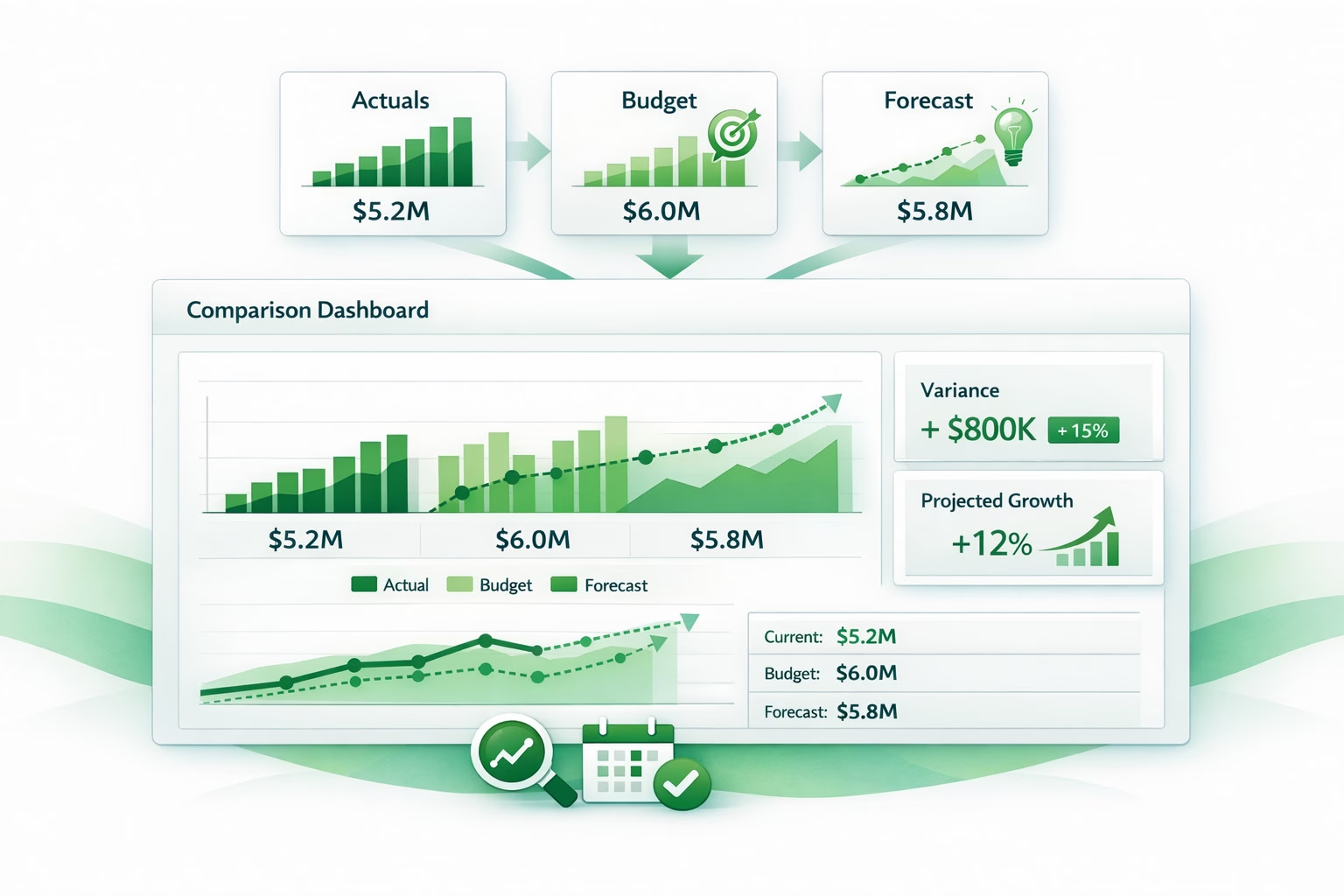
Budget & Forecast: Turning Planning into Actionable Group Reporting
Budgeting and forecasting are not just planning exercises — they are essential tools for steering the business. Yet for many finance teams, budgets and forecasts live outside the reporting process, tracked in spreadsheets disconnected from actual results. When actuals come in and it’s time to explain the variance, the analysis starts with a reconciliation exercise…
-
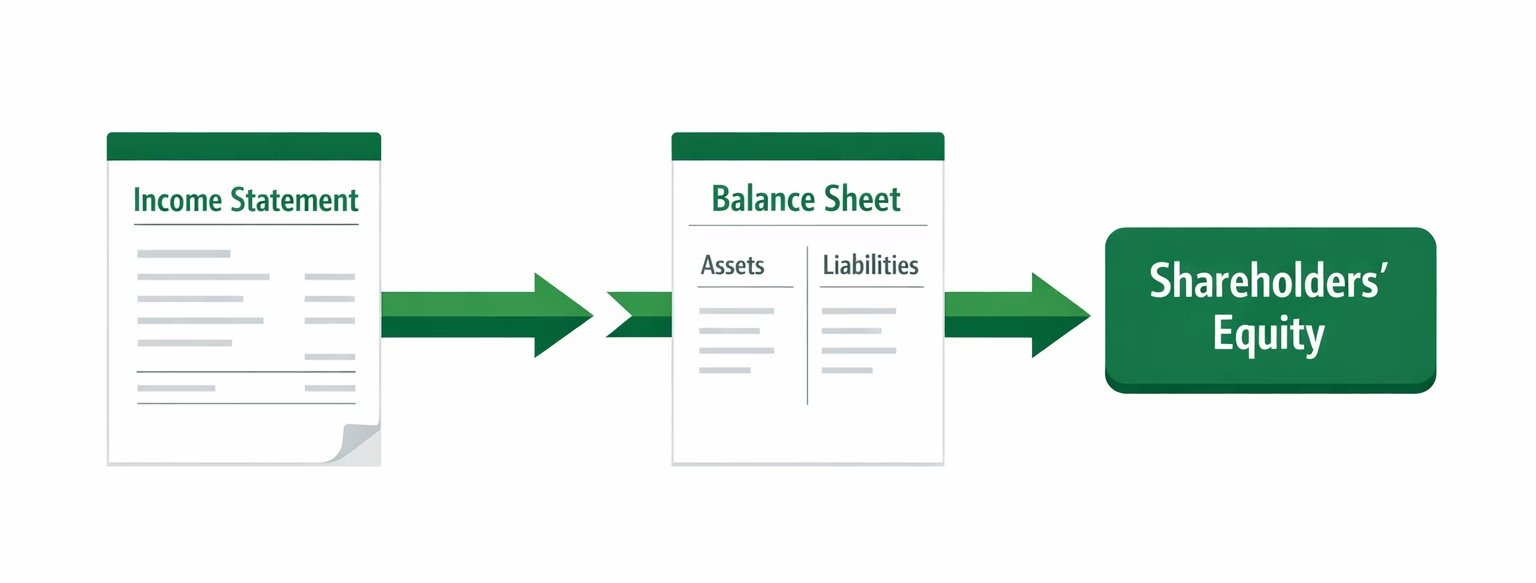
Clean Surplus Accounting: Understanding the Link Between Profit and Equity
Clean surplus accounting describes a property of financial statements in which all changes in equity — other than transactions with owners — pass through the income statement. Under clean surplus, reported profit is the complete and sole explanation of how equity grew or shrank during the period, aside from capital contributions and distributions to owners.…
-
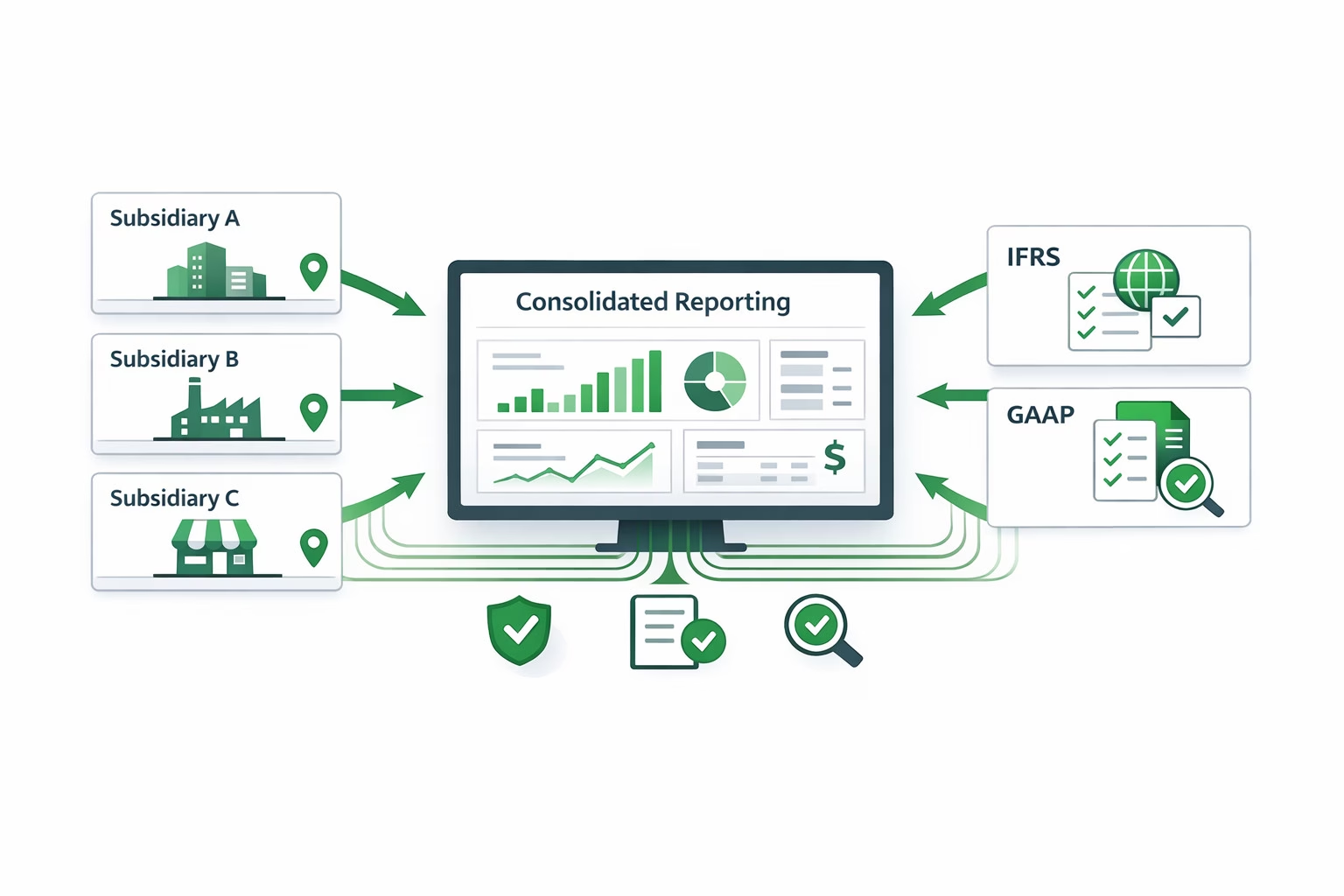
IFRS and GAAP Compliance with Modern Software
IFRS and US GAAP compliance in a single-entity context is primarily a question of accounting judgment and correct transaction recording — largely handled within the entity’s accounting software. Compliance in a group context is a different challenge. Most of the IFRS standards that create the most compliance pressure for multi-entity groups — IFRS 10 (Consolidation),…
-
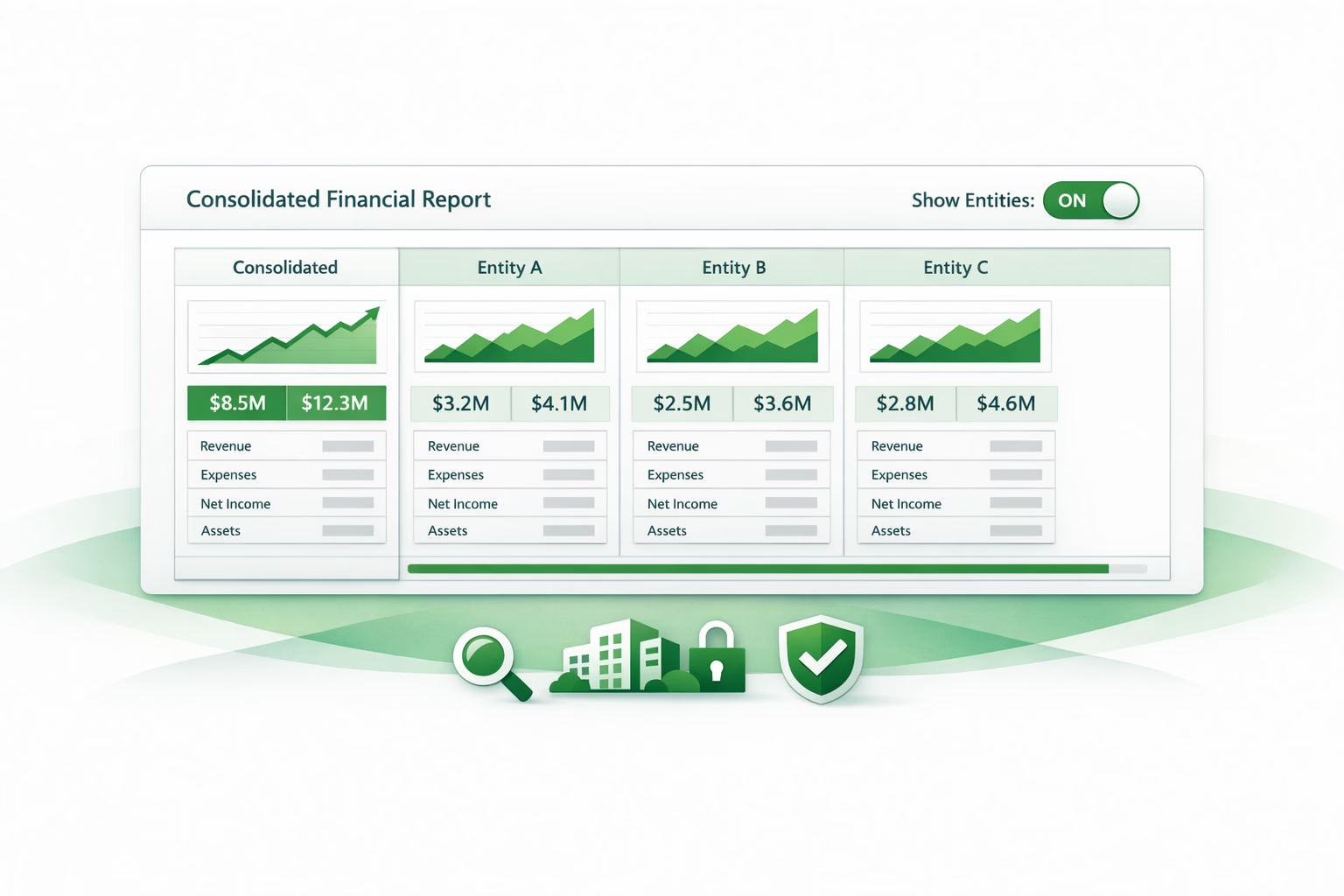
Entities in Reports: Bringing Entity-Level Visibility into Group Reporting
As group structures grow, consolidated numbers alone are often not enough. Finance teams need to understand where the numbers come from, not just what the final total is. BrizoConsol’s Entities in Reports feature gives users instant visibility into entity-level contributions without leaving the report — by expanding any consolidated report to show each entity as…