
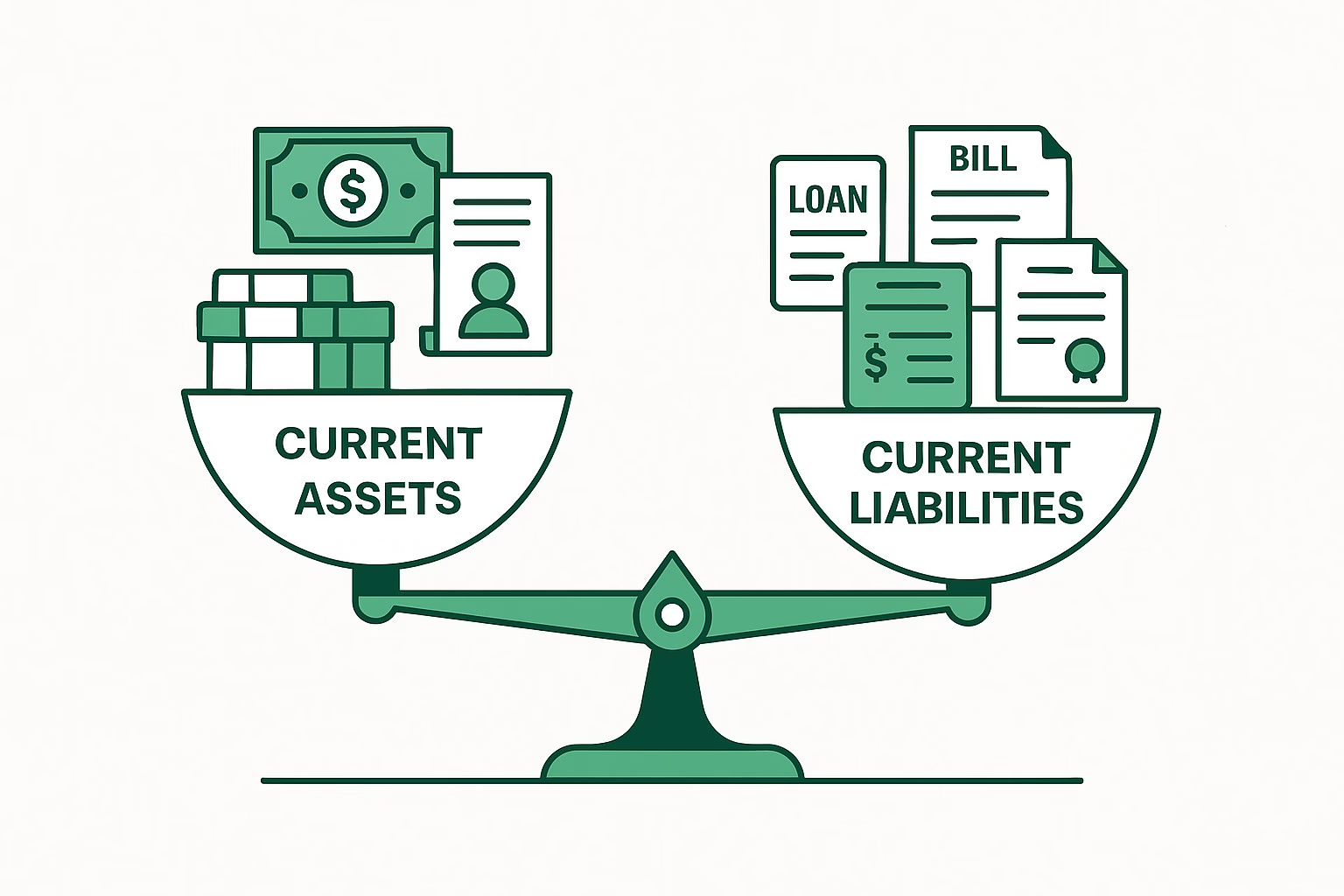
Liquidity is one of the most important indicators of a company’s financial health. Even profitable businesses can fail if they are unable to meet short-term obligations when they fall due. The Current Ratio is a simple but powerful financial metric used to assess whether a company can cover its short-term liabilities with its short-term assets.
🔍 What Is the Current Ratio?
The Current Ratio measures a company’s ability to pay its current liabilities using its current assets.
Formula
Current Ratio = Current Assets ÷ Current Liabilities
It answers a basic question:
👉 Does the company have enough short-term resources to pay what it owes in the near future?
🧾 What Counts as Current Assets and Current Liabilities?
Current Assets
Assets expected to be converted into cash within one year:
- Cash and bank balances
- Accounts receivable
- Inventory
- Short-term investments
- Prepaid expenses
Current Liabilities
Obligations due within one year:
- Accounts payable
- Short-term loans
- Accrued expenses
- Current portion of long-term debt
- Unearned revenue
📊 Example of the Current Ratio
A company reports:
- Current Assets: $600,000
- Current Liabilities: $300,000
Current Ratio = 600,000 ÷ 300,000 = 2.0
This means the company has $2 of current assets for every $1 of current liabilities.
⚖️ How to Interpret the Current Ratio
Current Ratio > 1
✔ The company can cover its short-term obligations
✔ Generally seen as financially stable
Current Ratio ≈ 1
⚠️ Assets just match liabilities
⚠️ Tight liquidity — close monitoring required
Current Ratio < 1
❌ Potential liquidity risk
❌ May struggle to pay short-term debts
📈 What Is a “Good” Current Ratio?
There’s no single ideal number — it depends on the industry.
- 1.5–2.0 is often considered healthy
- Retail businesses may operate safely with lower ratios
- Capital-intensive or seasonal businesses may need higher ratios
A very high current ratio may also signal inefficient use of assets, such as excess inventory or idle cash.
🧠 Why the Current Ratio Matters
- Credit assessment: Lenders use it to evaluate short-term risk
- Investor confidence: Indicates operational stability
- Cash flow planning: Highlights liquidity strengths or weaknesses
- Early warning sign: Identifies potential cash shortages before they occur
⚠️ Limitations of the Current Ratio
While useful, the current ratio has limitations:
- Inventory may not be easily converted into cash
- Receivables may not be collectible on time
- It provides a snapshot, not a trend
This is why it’s often used alongside other ratios like the Quick Ratio and Cash Ratio.
🧠 Simple Analogy
Think of the current ratio like checking your wallet before payday:
If your available cash and savings can cover your upcoming bills, you’re in good shape. If not, you may face short-term stress — even if your salary is high.
🪙 Key Takeaway
The Current Ratio is a foundational liquidity measure that shows whether a company can meet its short-term obligations. It’s simple, widely used, and essential for understanding financial stability — but it should always be analyzed in context.