Latest blogs
-
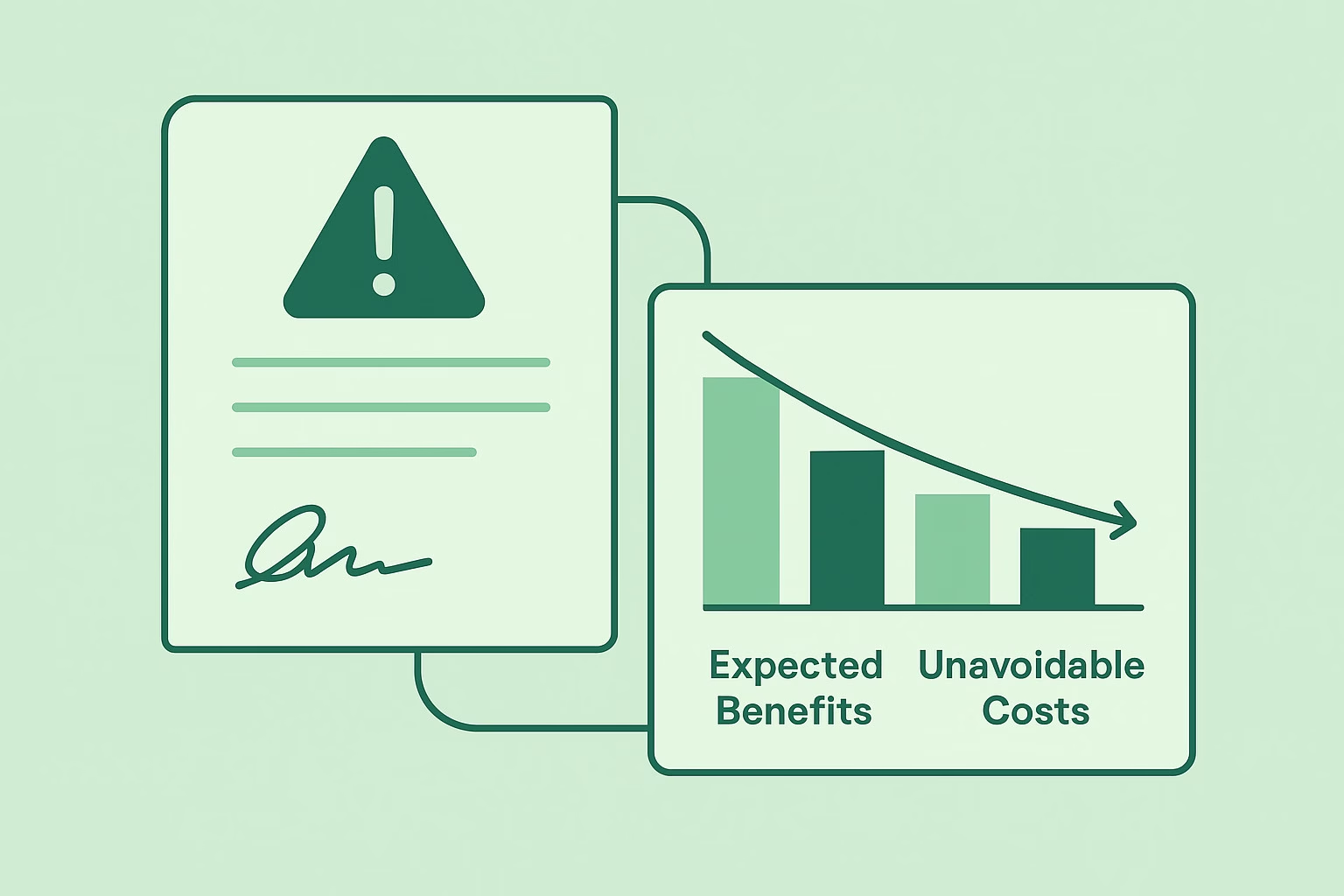
Onerous Contract: When a Contract Becomes a Financial Burden
An onerous contract is a contract in which the unavoidable costs of meeting the obligations exceed the economic benefits expected to be received. Once a contract meets this definition under IAS 37, the entity must recognise a provision for the net loss immediately — not when the loss is actually incurred, but at the point…
-

Automated Financial Consolidation Explained
Automated financial consolidation means using a dedicated platform to collect entity financial data, apply group accounting rules (COA mapping, intercompany matching, FX translation, elimination logic, ownership structures), and produce consolidated financial statements — with the system handling the mechanical steps that otherwise require manual intervention at every close. It doesn’t replace the accounting software that…
-
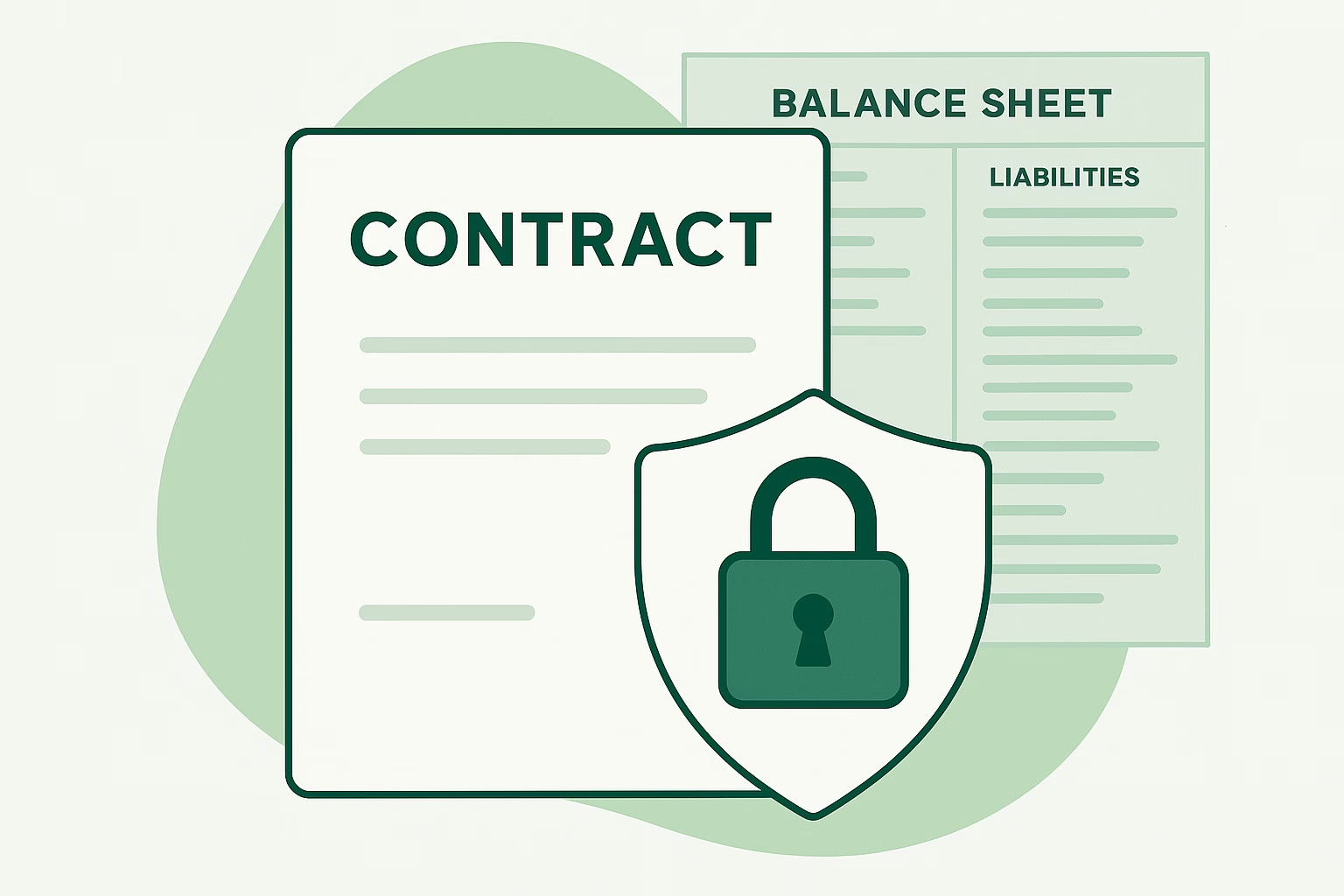
Negative Pledge Clause: Protecting Lenders Without Taking Collateral
A negative pledge clause is a covenant in a loan agreement that restricts the borrower from granting security interests over its assets to other creditors. It protects an unsecured lender’s position by preventing the borrower from subsequently giving other lenders a superior claim on assets — which would push the original lender further down the…
-

Cloud vs On-Premise Consolidation Tools: What Mid-Sized Companies Should Know
As a mid-sized company adds subsidiaries, foreign currencies, and reporting complexity, the consolidation tool it uses becomes one of its most consequential infrastructure choices. Most companies outgrow manual spreadsheet consolidation between five and ten entities. When they evaluate alternatives, they face a choice between cloud-based platforms (SaaS, hosted by the vendor) and on-premise solutions (installed…
-
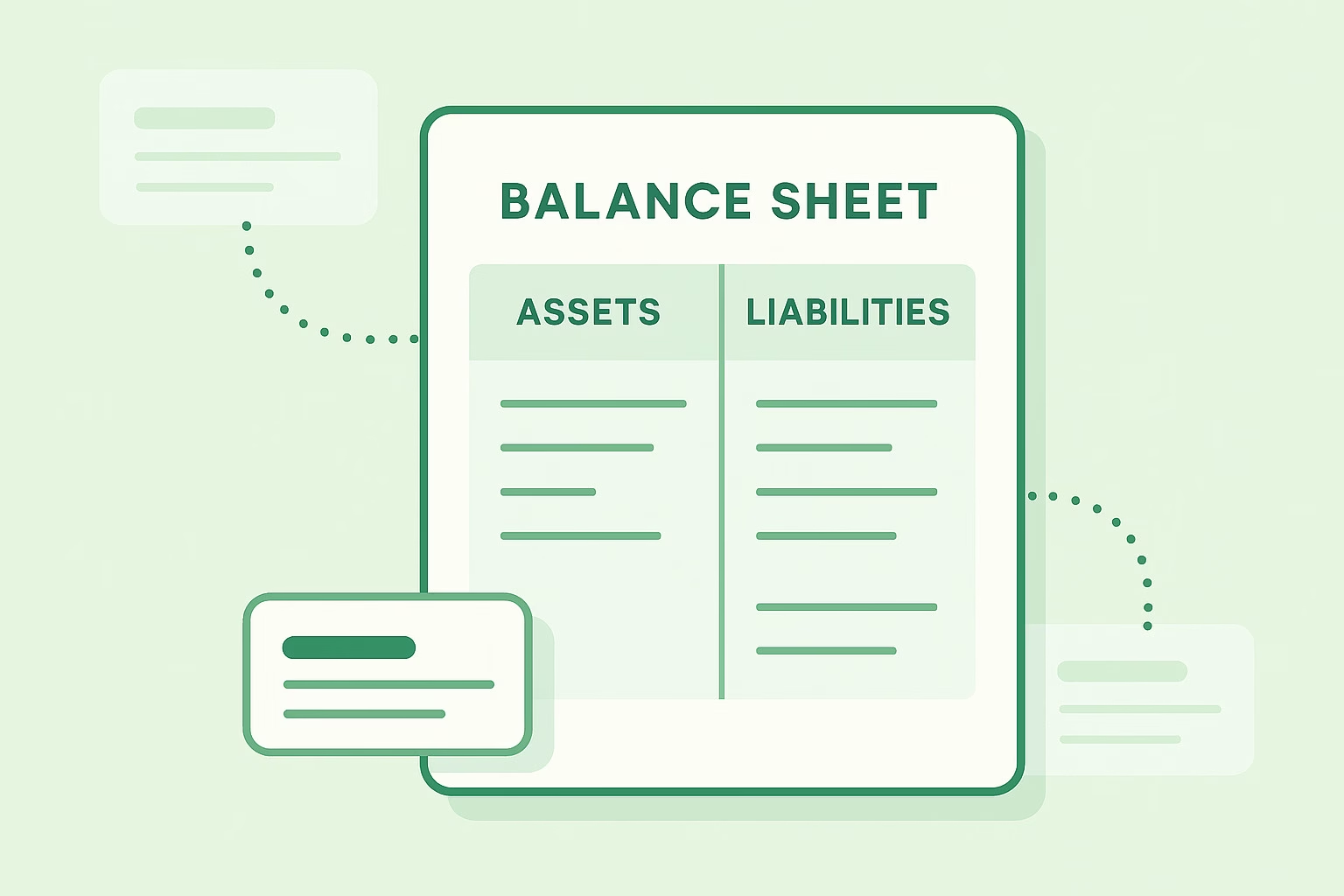
Off-Balance-Sheet Financing: What It Is and Why It Matters
Off-balance-sheet (OBS) financing refers to arrangements that provide a company with economic benefits — use of assets, access to funding, risk transfer — without those arrangements appearing as assets or liabilities on the face of the balance sheet. The incentive is clear: keeping debt off the balance sheet produces lower reported leverage ratios, better return…