Latest blogs
-
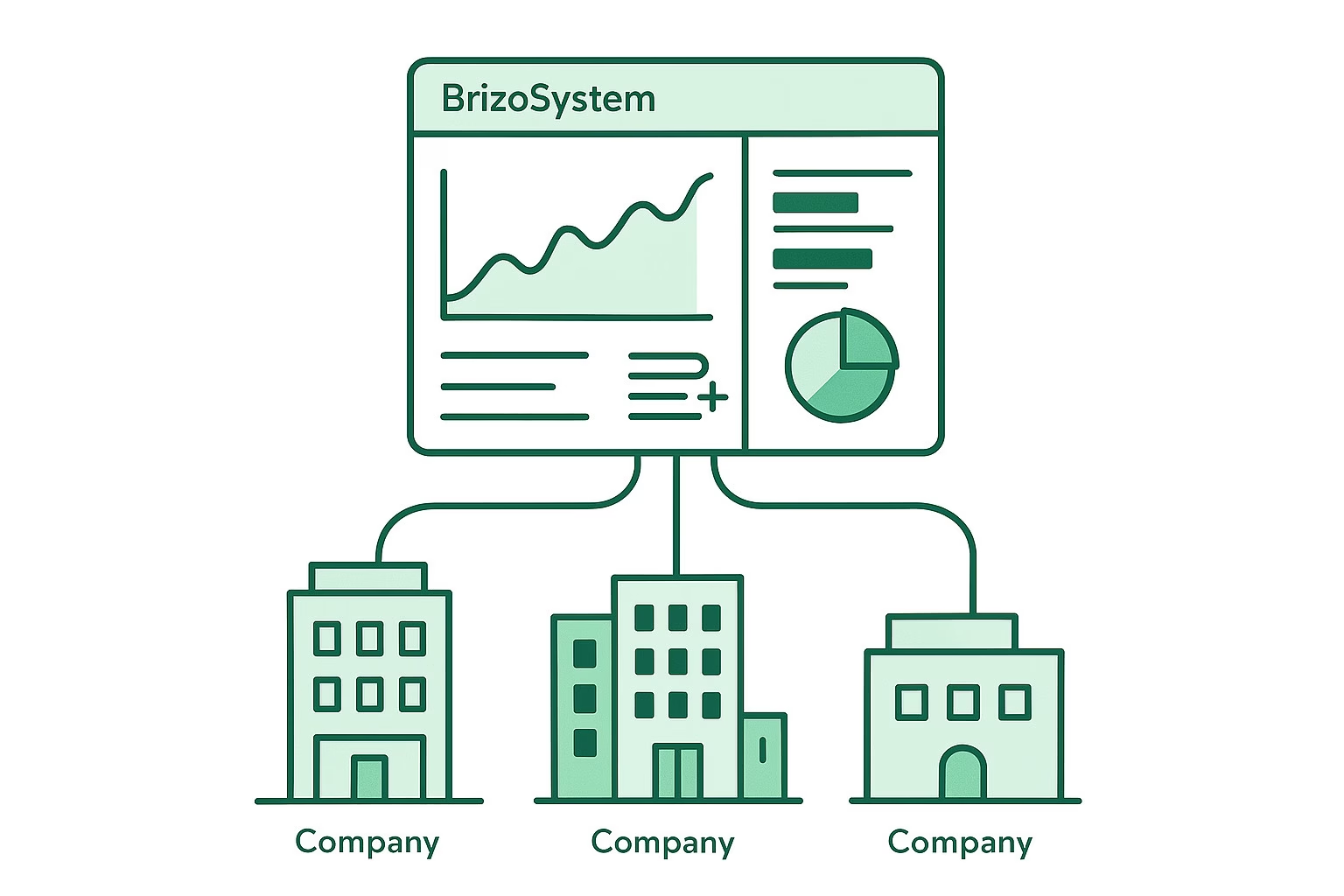
Top Features Needed for Multi-Entity Financial Reporting
When a group outgrows its accounting software — when the monthly close involves exporting from five different systems, reconciling mismatches in a spreadsheet, and spending three days on eliminations that should take three hours — the problem isn’t the data. It’s that the tools were designed for a single entity, not a group. Choosing a…
-
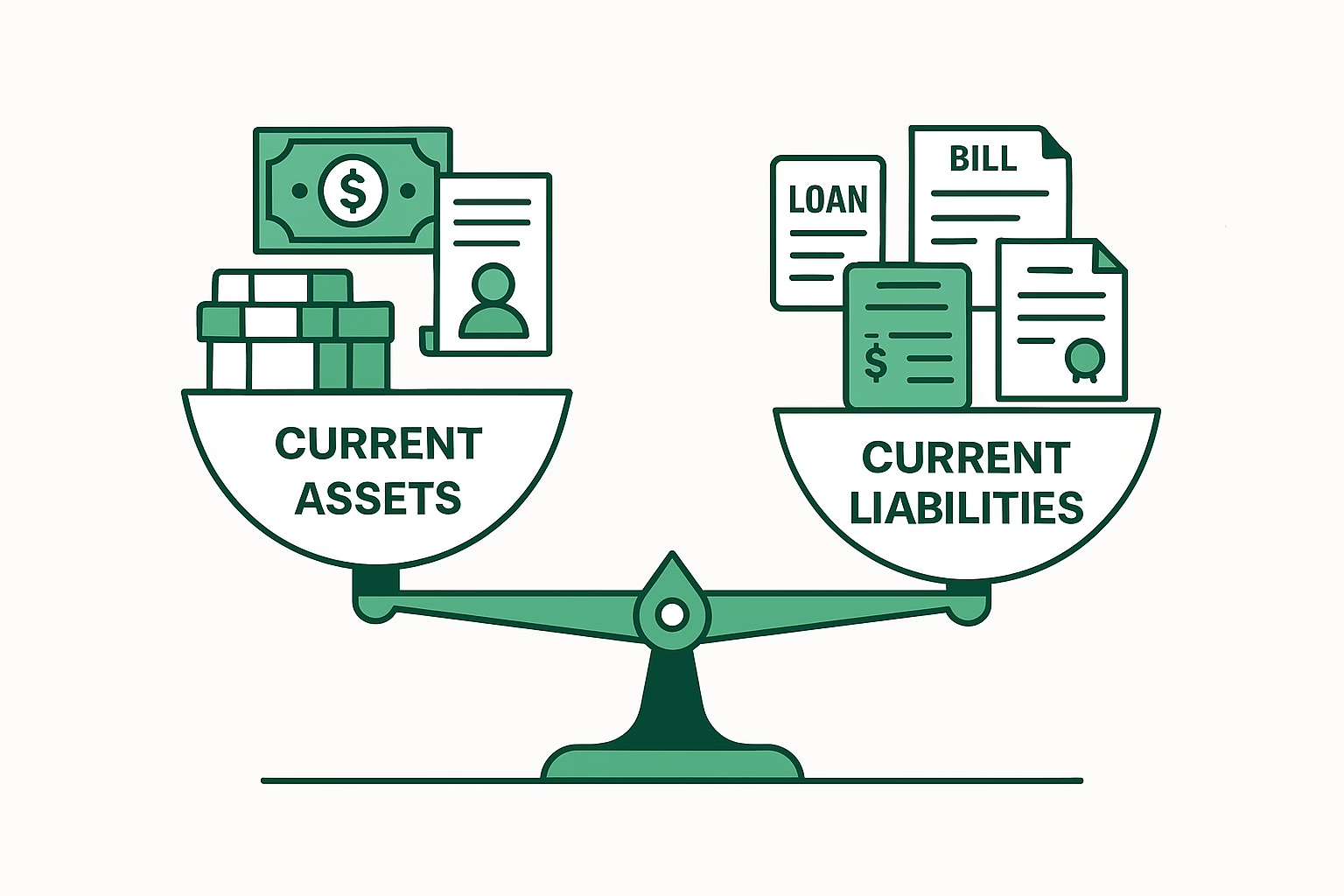
Understanding the Current Ratio
The current ratio measures whether a company can cover its short-term obligations using its short-term assets. It is one of the most widely used liquidity metrics because it is simple to calculate, universally understood, and available from the balance sheet alone. Lenders include minimum current ratio thresholds in loan covenants, credit analysts use it to…
-

BrizoConsol Now Connects Directly to Zoho Books — Here’s What Actually Changes
If your group runs on Zoho Books, you already know what month-end looks like. Someone exports a CSV from each entity. Another person cleans it up, remaps the accounts to a common structure, and pastes it into the consolidation workbook. Then the reconciliation starts — checking that nothing was dropped in the export, that the…
-

What Carbon Accounting Actually Requires from an SME — A Practical Guide
Most SME owners encounter carbon accounting the same way — a large customer sends a sustainability questionnaire, or an accountant mentions the carbon tax, or a bank asks about ESG exposure before approving a facility. The first instinct is usually to assume it is something for bigger companies with dedicated sustainability teams. The second instinct,…
-
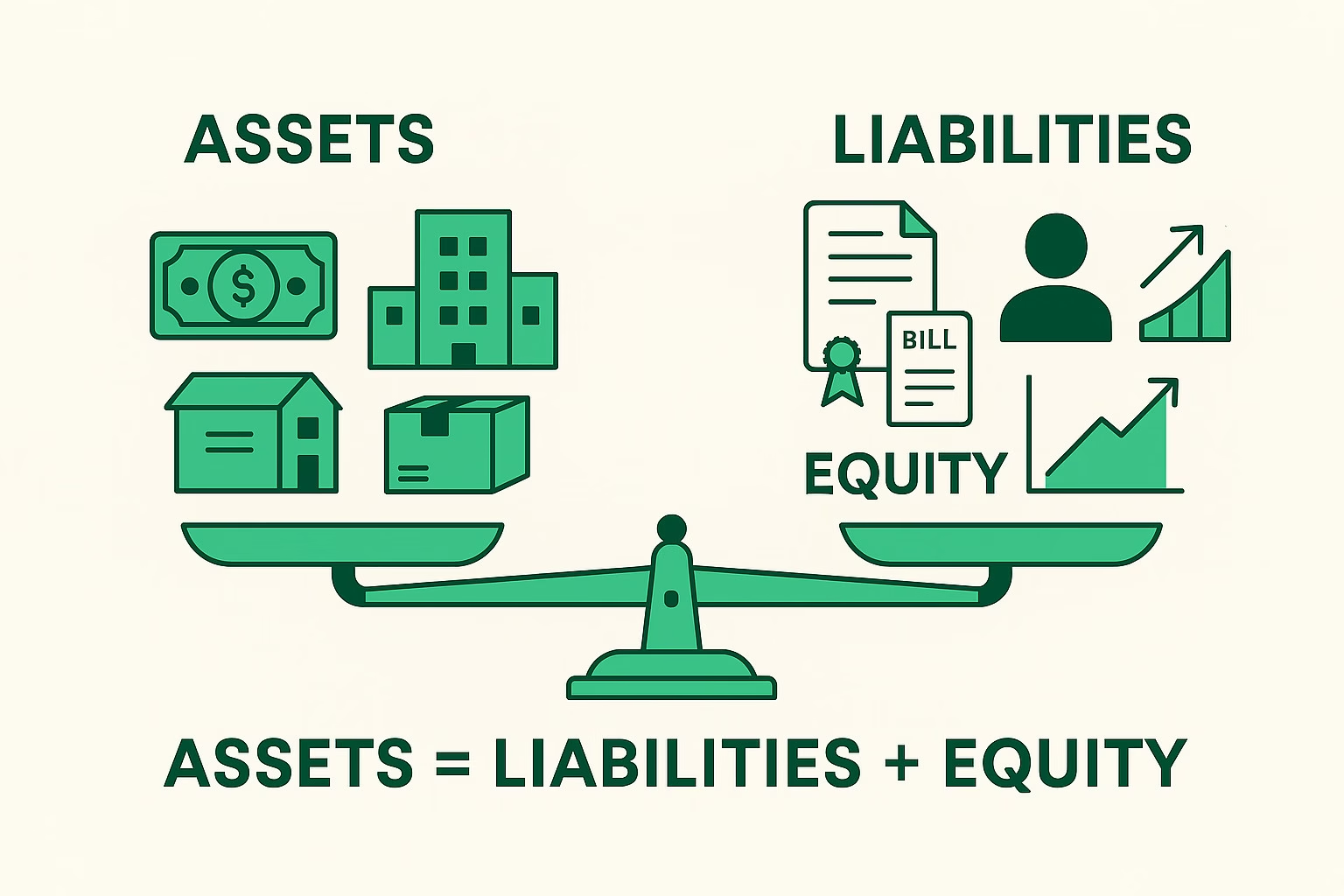
Understanding the Assets–Liabilities–Equity Equation
The accounting equation is the foundational rule that every financial statement is built on. It states that the total resources a business controls must equal the total claims on those resources — from lenders and from owners. Assets = Liabilities + Equity No transaction can be recorded in a way that breaks this equation. Every…