Latest blogs
-

Purchase Price Allocation (PPA): Breaking Down the Cost of an Acquisition
Purchase price allocation (PPA) is the process, required under IFRS 3 and ASC 805, of distributing the total consideration paid in a business combination across the identifiable assets acquired and liabilities assumed at their fair values at the acquisition date. Any remaining excess — the amount paid above the fair value of identifiable net assets…
-
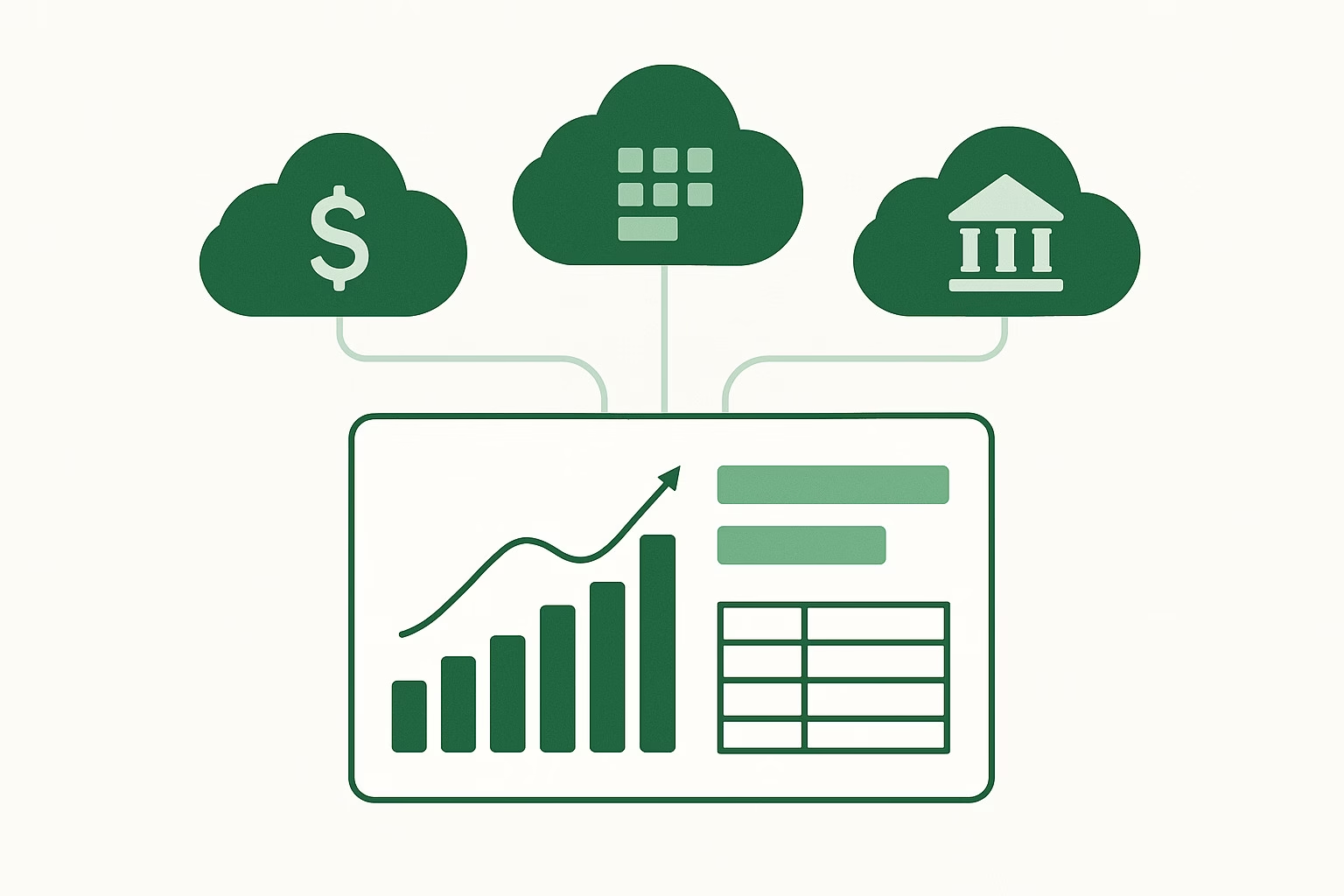
Top Integration Options for Cloud Accounting
Cloud accounting platforms — Xero, QuickBooks Online, MYOB, Zoho Books — are designed primarily for single-entity bookkeeping: recording transactions, managing payables and receivables, processing payroll, and filing tax returns. As soon as a group’s reporting needs extend beyond any single entity, additional tools are required. The question of how those tools connect to the accounting…
-
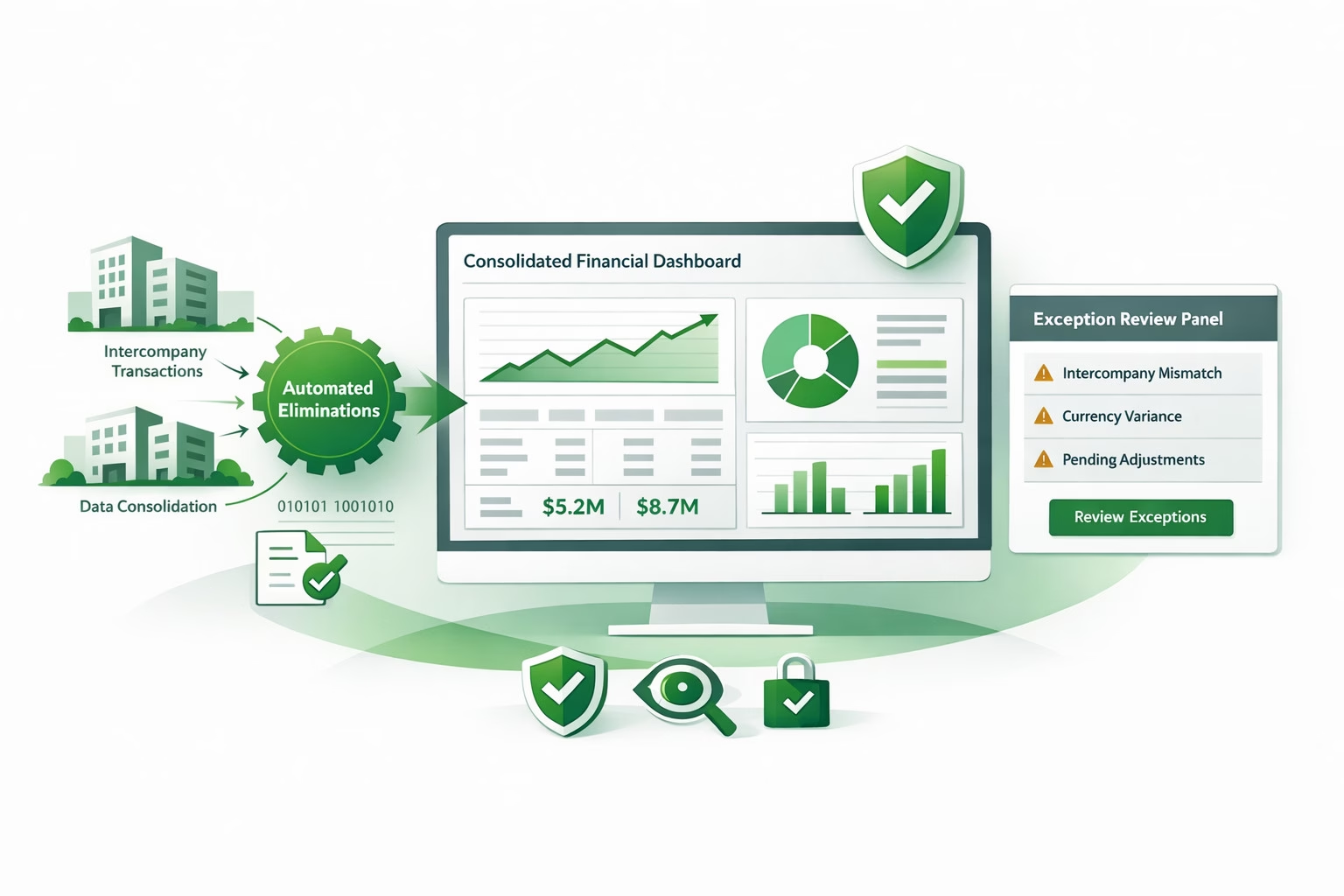
Auto Elimination Log: Bringing Control and Transparency to Intercompany Eliminations
Intercompany eliminations are essential to producing accurate consolidated financial statements — but they are rarely straightforward. Differences in timing, FX, rounding, or posting practices often mean intercompany balances don’t match perfectly when it’s time to eliminate. To help finance teams automate with confidence without losing control, BrizoConsol introduces the Auto Elimination Log — designed to…
-

Embedded Derivative: Hidden Risk Inside Financial Contracts
An embedded derivative is a component of a hybrid contract that, if it were a separate instrument, would meet the definition of a derivative under IFRS 9. It is “embedded” in the sense that it is not a standalone financial instrument — it exists as a feature or clause within a larger contract that is…
-
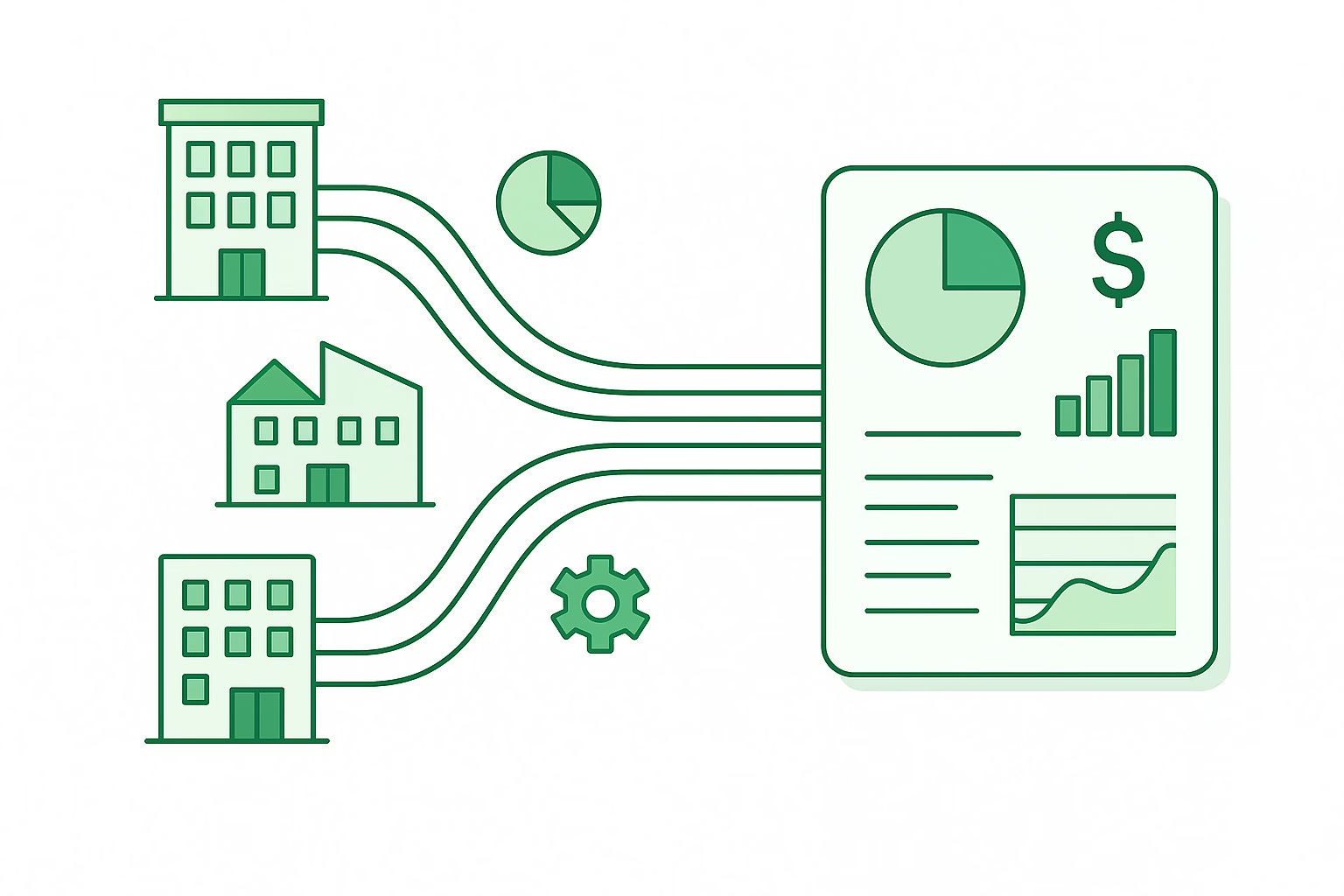
Why Mid-Sized Companies Need Consolidation Tools
Mid-sized companies occupy an awkward position in the consolidation software market. Enterprise consolidation platforms — OneStream, Oracle Hyperion, SAP BPC — are built for groups with hundreds of entities, dedicated implementation teams, and 12-18 month deployment timelines. The cost structures and complexity levels of these products are calibrated for companies far larger than the typical…