Latest blogs
-
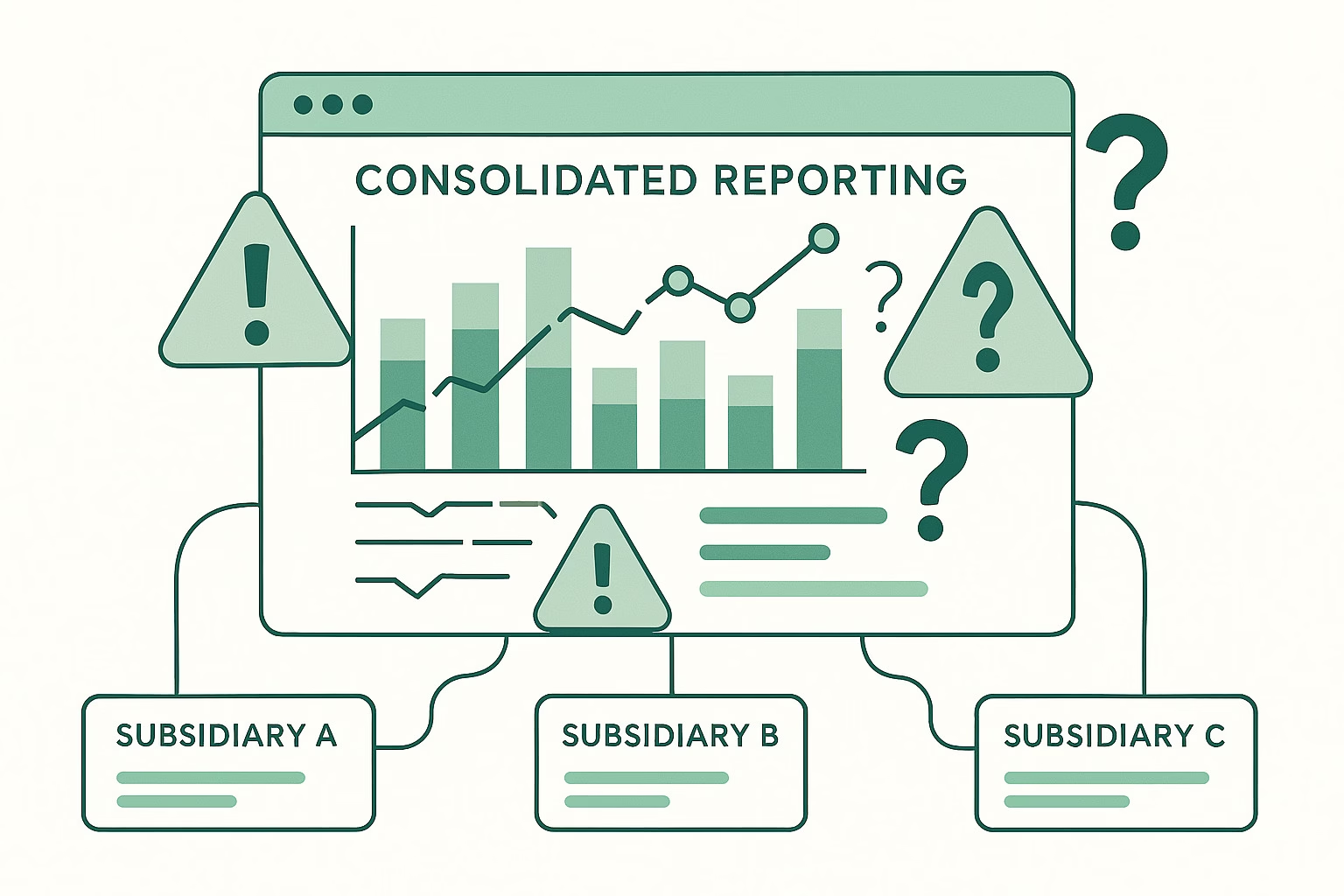
Five Reporting Signals Your Group Data Can’t Be Trusted
A consolidated report that looks clean is not the same as one that is reliable. The difference matters more than it sounds: leadership makes resource allocation decisions, banking relationships are maintained, and auditors sign off all on the basis that the group numbers are trustworthy. When they aren’t — when the clean surface conceals structural…
-
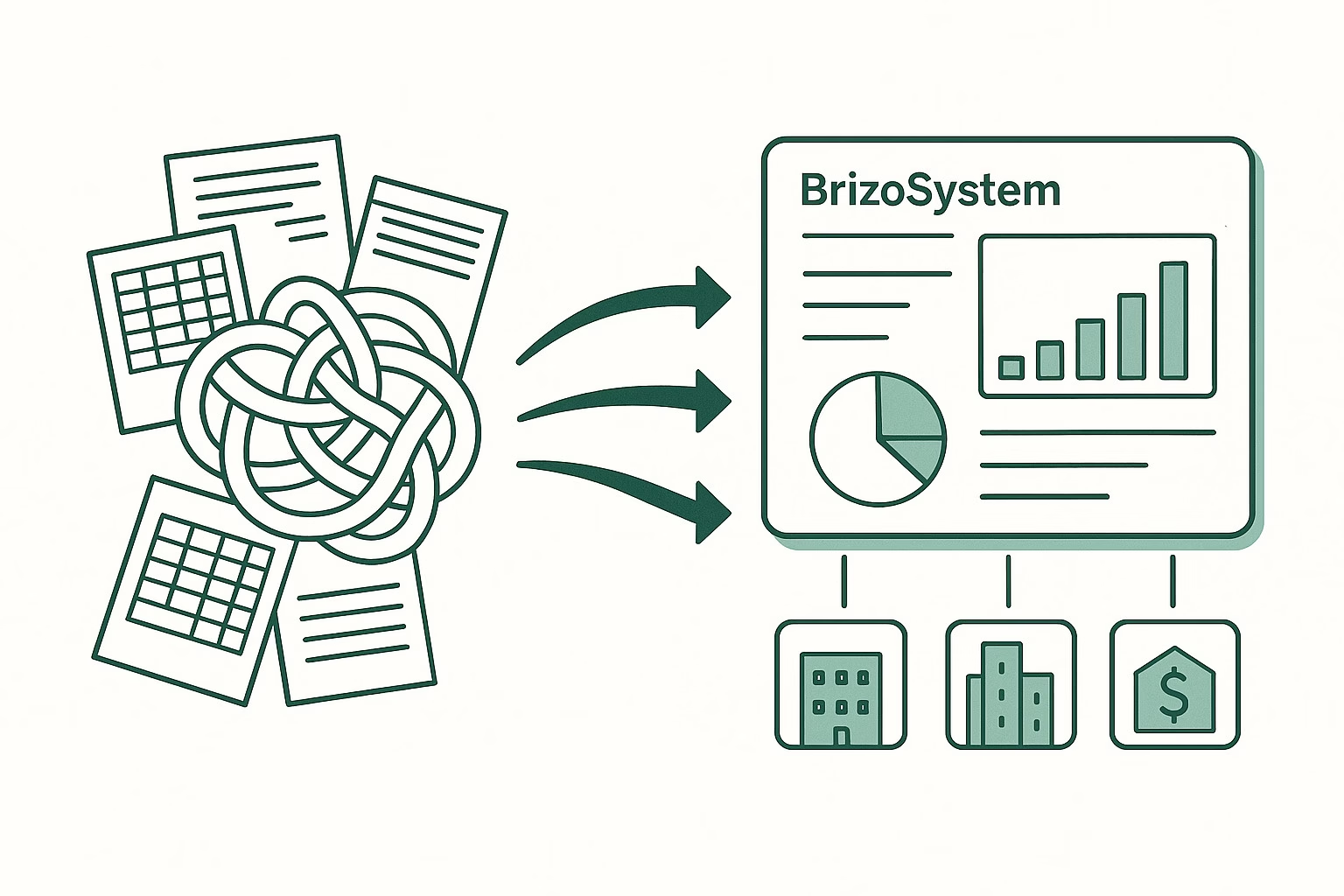
From Chaos to Clarity: A Smarter Way to Consolidate Financials
Financial consolidation is one of the most technically demanding processes the finance team runs. Done well, it produces a single accurate picture of the group’s financial position that management can rely on and auditors can verify. Done manually at scale, it produces something else entirely: a monthly race against the close deadline, where every hour…
-

Asset Retirement Obligation (ARO): Planning for the End Before It Begins
An Asset Retirement Obligation (ARO) is a present obligation to decommission, dismantle, or restore an asset or site at the end of the asset’s useful life. The obligation exists today — from the moment the asset is installed or the activity begins — even though the expenditure will occur years or decades in the future.…
-

Why Intercompany Mismatches Happen: A Deep Dive into Root Causes and Fixes
When intercompany mismatches keep appearing month after month despite the finance team’s best efforts to resolve them, the problem is usually not the individual mismatches — it’s that the team is fixing symptoms rather than root causes. A timing mismatch that recurs every period isn’t a series of individual errors: it’s a structural problem with…
-

Deferred Revenue Expenditure: When Expenses Don’t Belong in Just One Year
Deferred revenue expenditure refers to large, non-recurring costs incurred in one period that are expected to benefit the business across multiple future periods — and which, on that basis, are carried on the balance sheet and amortised over the benefit period rather than expensed entirely in the year they are incurred. The concept is widely…